Introduction
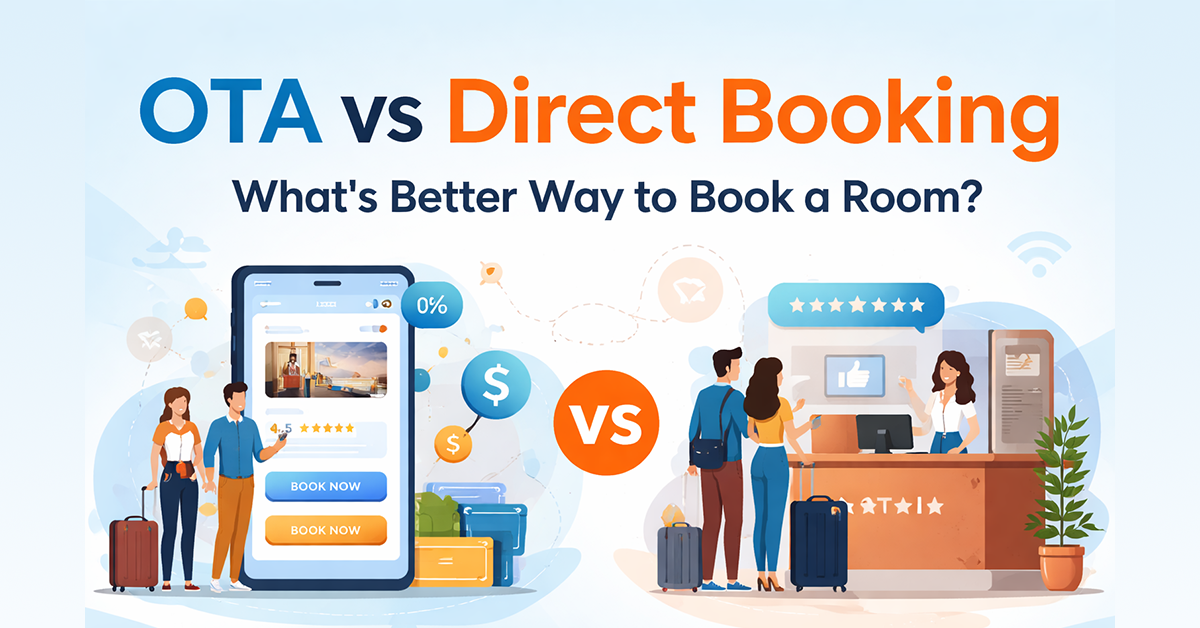
Planning a trip is exciting, but it comes with its fair share of decisions — and one of the biggest is how to secure your accommodation. Should you book a hotel directly, or go through an online travel agency (OTA) and book a hotel via OTA? This age-old debate of OTA vs direct booking often leaves travelers scratching their heads. The truth is, both methods have their perks, and understanding the nuances can make your trip smoother, cheaper, and more enjoyable.
Let’s dive into the hotel booking methods comparison and give you some smart hotel booking tips along the way.
OTA vs Direct Booking: What Are They?
Before deciding, it’s good to know what you’re dealing with.
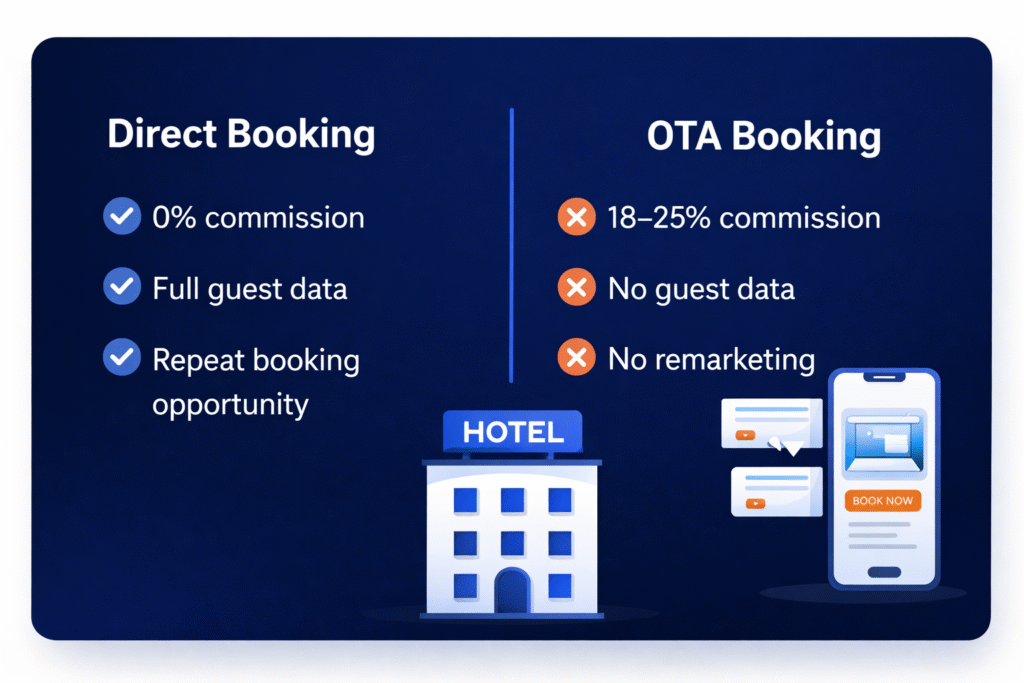
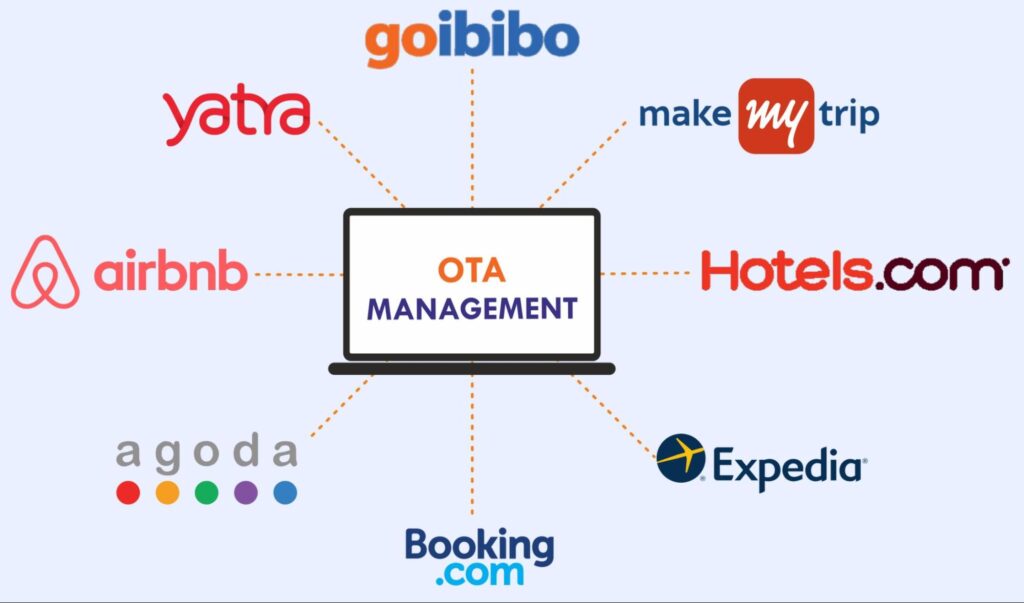
An OTA (Online Travel Agency) is a third-party platform like Booking.com, Expedia, MakeMyTrip, or Goibibo, where you can book hotels online alongside flights, cars, and activities. When you book a hotel through OTA, the platform acts as a middleman — giving you convenience and choices all in one place.
On the flip side, booking a hotel directly means reserving straight with the hotel, usually through their official website or over the phone. No third party, no hidden layers — just you and the hotel.
The Advantages of OTA Hotel Booking
OTAs are popular for a reason. Here’s why travelers love them:
Advantages of OTA Hotel Booking
- Quick Comparisons: Want to see options side by side? OTAs make it easy to check locations, amenities, and prices in seconds.
- Deals and Bundles: Some OTAs bundle flights, cars, and hotels, sometimes saving you a pretty penny.
- Variety: From cozy homestays to luxury resorts, the selection is huge.
- Member Perks: Certain OTAs reward loyal users with points or special discounts.
Of course, it’s not all rosy:
Cons of OTA Booking
- Less Flexibility: Changing or canceling bookings can be trickier than with direct reservations.
- No Personal Touch: Special requests have to go through the OTA, which can feel a little impersonal.
- Price Fluctuations: Hotels sometimes adjust rates on OTAs, meaning you might not always get the absolute best deal.
So while booking a hotel through OTA can be convenient, there are trade-offs to keep in mind.
Why Booking Direct Can Be a Game-Changer?
Sometimes, going straight to the hotel pays off, literally.
Benefits of Booking Hotel Directly
- Best Price Promises: Many hotels guarantee the lowest rates on their own sites.
- Flexible Policies: Need to tweak dates or cancel? Direct bookings often make this easier.
- Personal Service: Special requests like early check-ins, late check-outs, or room upgrades are easier to handle directly.
- Loyalty Rewards: Hotel chains often give points, perks, or complimentary upgrades exclusively for direct bookings.
When you compare hotel prices direct vs OTA, you might be pleasantly surprised at what direct booking can save you.

Hotel Booking Methods Comparison
Here’s a quick snapshot to help you decide:
Feature | Direct Booking | OTA Booking |
Price | Often lowest | Varies with deals |
Flexibility | High | Moderate |
Comparison Ease | Low | High |
Perks & Rewards | Hotel loyalty | OTA loyalty |
Special Requests | Easier | Harder |
Packages | Usually No | Yes |
Both have their strengths, so it really depends on your travel style and priorities.
When OTA Can Be Your Best Friend?
While direct booking is great, there are moments when OTAs shine:
- You want to compare many hotels quickly
- You’re booking a bundled trip (hotel + flight + car)
- You’re chasing exclusive OTA discounts
- It’s a new destination, and you need a wide range of options
Knowing when to use OTA for hotel booking can save you both time and money.

Smart Hotel Booking Tips
Whether you lean toward booking hotel directly or OTAs, these hotel booking tips are golden:
- Compare First: Check both OTA and hotel sites, sometimes hotels have exclusive perks.
- Read the Fine Print: Policies on cancellations, breakfast, and check-in vary, so read carefully.
- Join Loyalty Programs: Direct bookings often earn points, upgrades, or late checkout perks.
- Check Total Price: OTAs sometimes don’t include taxes upfront, always look at the total.
- Book Early: Popular spots and peak seasons fill fast. Early bookings usually mean better rooms and rates.

Current Scenario: OTA vs Direct Booking in India
To make the OTA vs direct booking debate more concrete, let’s look at how things really stack up in India in 2025–2026.
OTA’s Role
- Around 55%–65% of online hotel bookings in India come from OTAs like MakeMyTrip, Goibibo, Booking.com, and Expedia.
- Direct hotel bookings account for 25%–35%, as more travelers discover perks, discounts, and loyalty rewards when booking straight with hotels.
OTA Commissions
- OTA commissions in India range from 15%–25%, meaning hotels lose a significant portion of the room revenue on every booking.
- A mid-range ₹3,000 room with 20% OTA commission leaves the hotel with ₹2,400 — and for a 50-room hotel at 70% occupancy, this can add up to over ₹60 lakhs per year.
Booking Trends
- OTA bookings often happen 7–14 days before travel, while direct bookings occur 14–21 days ahead.
- Cancellation rates are higher via OTA (30–40%) vs direct bookings (15–20%).
- Guests frequently use OTAs to discover hotels, but return via direct channels if perks or loyalty rewards are offered.
Direct Booking Momentum
- Indian hotels are actively improving their websites, using AI tools, and simplifying booking flows, leading to a 35% growth in direct bookings over the past 5 years.
This data highlights that while OTAs are convenient, booking hotels directly is growing and increasingly profitable for both hotels and travelers.

The Verdict: Direct vs OTA Booking
At the end of the day, the choice comes down to what matters most to you. If convenience and comparisons are your priority, an OTA is perfect. If flexibility, perks, and personal service matter, booking a hotel directly often wins. Understanding the direct booking vs OTA pros and cons ensures your stay is enjoyable and stress-free.
Conclusion
Both OTA and direct methods have their place. By weighing the advantages of OTA hotel booking against the benefits of booking hotels directly, you can make smart choices that suit your trip.
At Aavya Holidays, we value the trust of travelers who rely on us for unforgettable journeys. Our carefully curated properties, including the luxurious Countryard Resort, are perfect for those who want comfort and convenience. Whether you’re looking for cozy rooms and suites in Jim Corbett or premium resort experiences, Aavya Holidays ensures every stay is memorable.
Book with us, and turn your next trip into a truly hassle-free and enjoyable escape.